Foot and ankle pain
First steps in the morning shouldn't hurt.
Plantar fasciitis, ankle sprains and Achilles pain start with how you load the foot. We assess the joints, calf and footwear, then build a plan you can follow.
Plantar fasciitis and heel pain
The bottom of your foot has a structure called the plantar fascia, a thick band of tissue that runs across the bottom of your foot and connects your heel bone to your toes. Sometimes this tissue can become tight and irritated, causing intense pain in the heel that can extend along the sole of the foot.
Our three-step program
1. Thorough examination and diagnosis
We assess your foot, ankle and big toe joints to determine whether joint stiffness is contributing to your pain, along with your calf muscles, which may be weaker or tighter as a result of pain. The way you walk, the shoes you wear and your foot posture are also important considerations.
2. Managing your symptoms
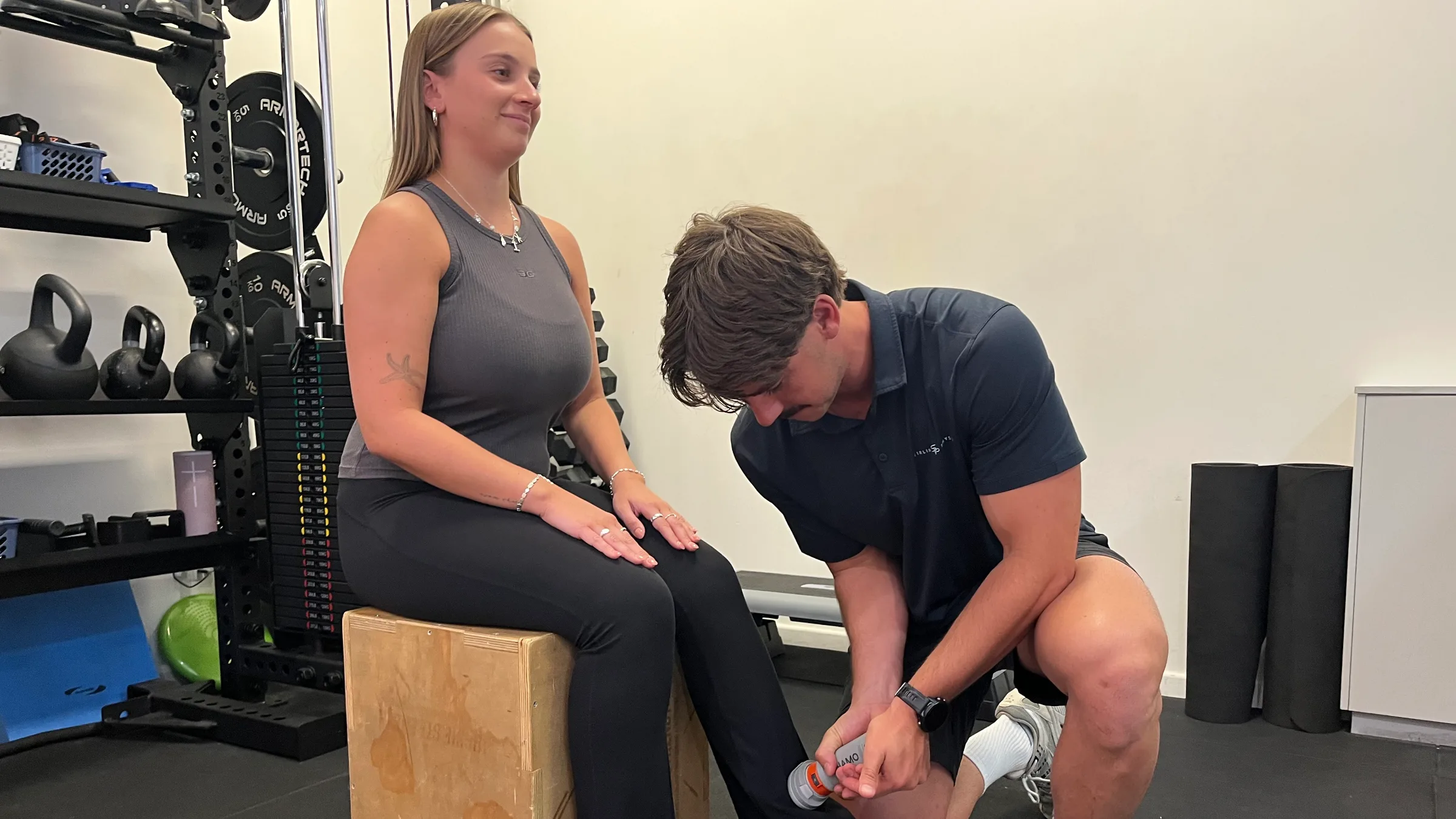
Our physiotherapists will educate you on everything you need to know about your heel. 'Hands on' therapies such as joint mobilisation, massage, and passive and active stretching are some of the tools we use. Stirling Physio has also invested in shockwave therapy, a targeted, non-invasive treatment for plantar fasciitis that can help settle chronic inflammation and stimulate collagen production. Up to six sessions may be required.
3. Restore movement, strength and function
A strengthening and stretching program is a vital component of recovery. This includes achieving full range of movement of the foot and ankle as well as adequate calf muscle length, followed by calf strengthening applied to the function you need day to day. Persistence and patience are key in this phase.
Related reading
Read Ouch, my heel hurts and restoring balance after an ankle sprain.